
Kaohsiung Medical University Bilingual Teaching Program
Achievement Report
for 115 Academic Year
Unit:Teaching and Learning Development and Resource Center
|
Name of activity |
The teaching observation activity of EMI Peer Observation of Teaching (POT) |
|
|
Date |
22, Sep, 2026 (Tuesday) |
|
|
Time |
13:00-15:00 |
|
|
Place |
CS211/CS201 |
|
|
Target |
Teachers who are interested in teaching observation |
|
|
Number of participants |
4 |
|
|
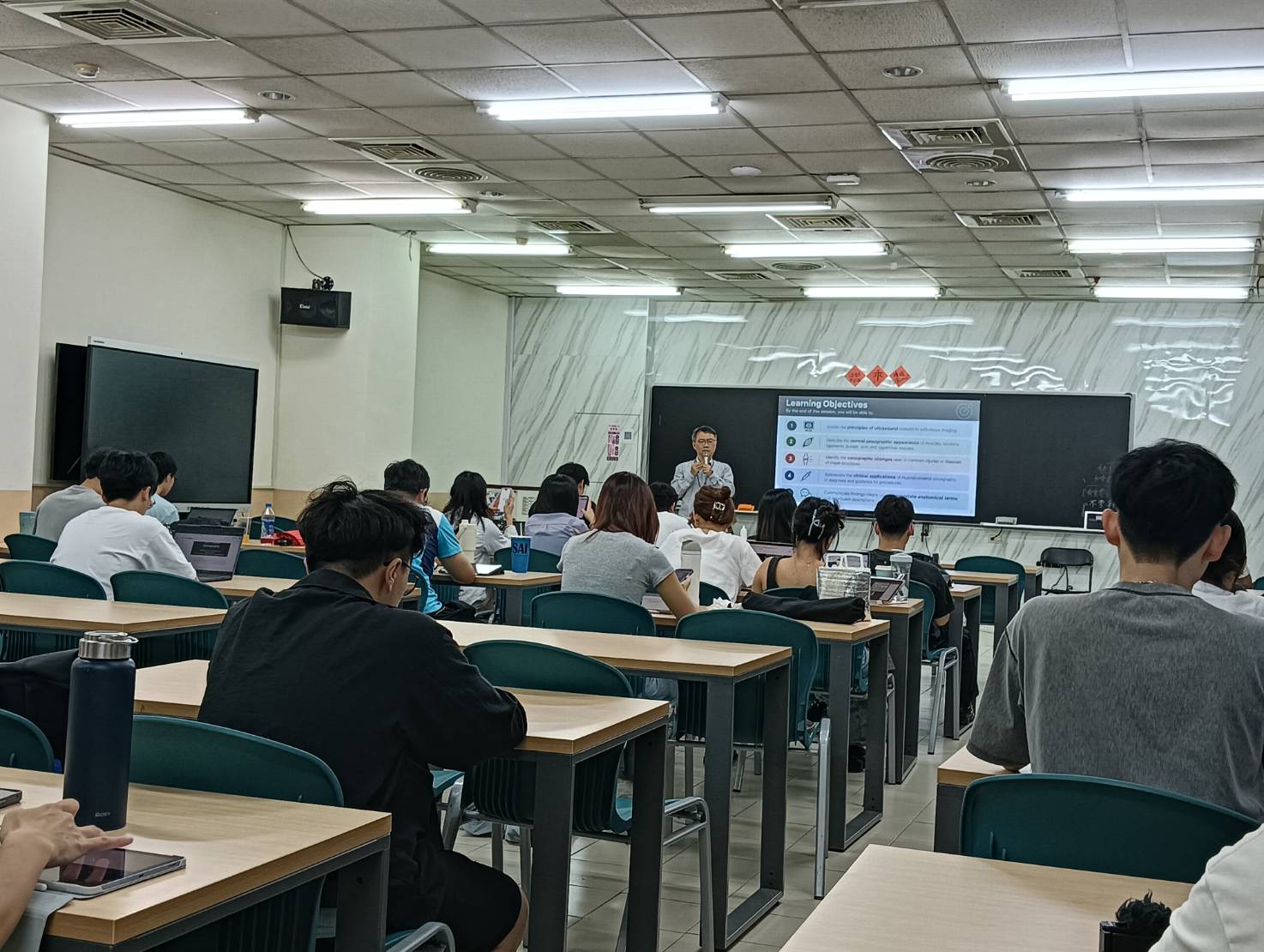
Activity focus and purpose : In order to continue developing the teaching observation activities of Peer Observation of Teaching (POT), a mechanism is administered for teachers to learn and advance by means of teaching peer observation, and POT is practiced to establish a process mechanism of teaching observation. The observers are provided with the opportunity of direct peer classroom observation wherein they, as learners, grasp the operation of along with merits and demerits of different teaching methods, and give themselves the chance of reflection on their own courses. The observed are, on the other hand, offered the objective information to realize their actual teaching situations and problems. Activity features and implementation : 【Course introduction】 This session focuses on Sonography of Soft Tissue and the Musculoskeletal System. Students will learn to approach sonography from a clinical question, identify the types of information that can be obtained from an image, and use a structured process to identify, describe, compare, interpret, and apply sonographic findings. Particular attention is given to functional terminology and sentence structures that enable students to describe what they observe before progressing to interpretation and clinical use. 【Course feature】 The session combines: • Brief focused instruction • Clinical question-based learning • Image-based guided practice • Scaffolding through a functional word bank and sentence frames • Questioning and interactive discussion • Immediate feedback and formative self-assessment The instructional sequence generally moves from clinical purpose to image observation, description, comparison, interpretation, and clinical use. Students first work with the instructor on projected ultrasound images and gradually take greater responsibility for producing their own descriptions and interpretations.【Instructions to the observing teachers】 The observed session is designed as an EMI learning experience in which English serves not only as the language of instruction but also as a tool for performing clinically meaningful tasks. The instructor therefore does not attempt to cover all knowledge related to soft-tissue and musculoskeletal sonography within the 50-minute session. Instead, the teaching focuses on helping students develop a usable framework and the language needed to observe, describe, discuss, and interpret sonographic findings. The instructor uses projected ultrasound images, guided questioning, a structured image-reading scaffold, a functional word bank, and sentence frames to support students’ participation. The intended progression is from supported observation and description toward more independent interpretation and clinical reasoning. The accompanying learning guide is designed to remain usable after class so that students can continue practicing with unfamiliar images and clinical questions. 【Satisfaction survey】 97% |
||
|
Activity Highlights |
||
|
Figure 1: Lecture |
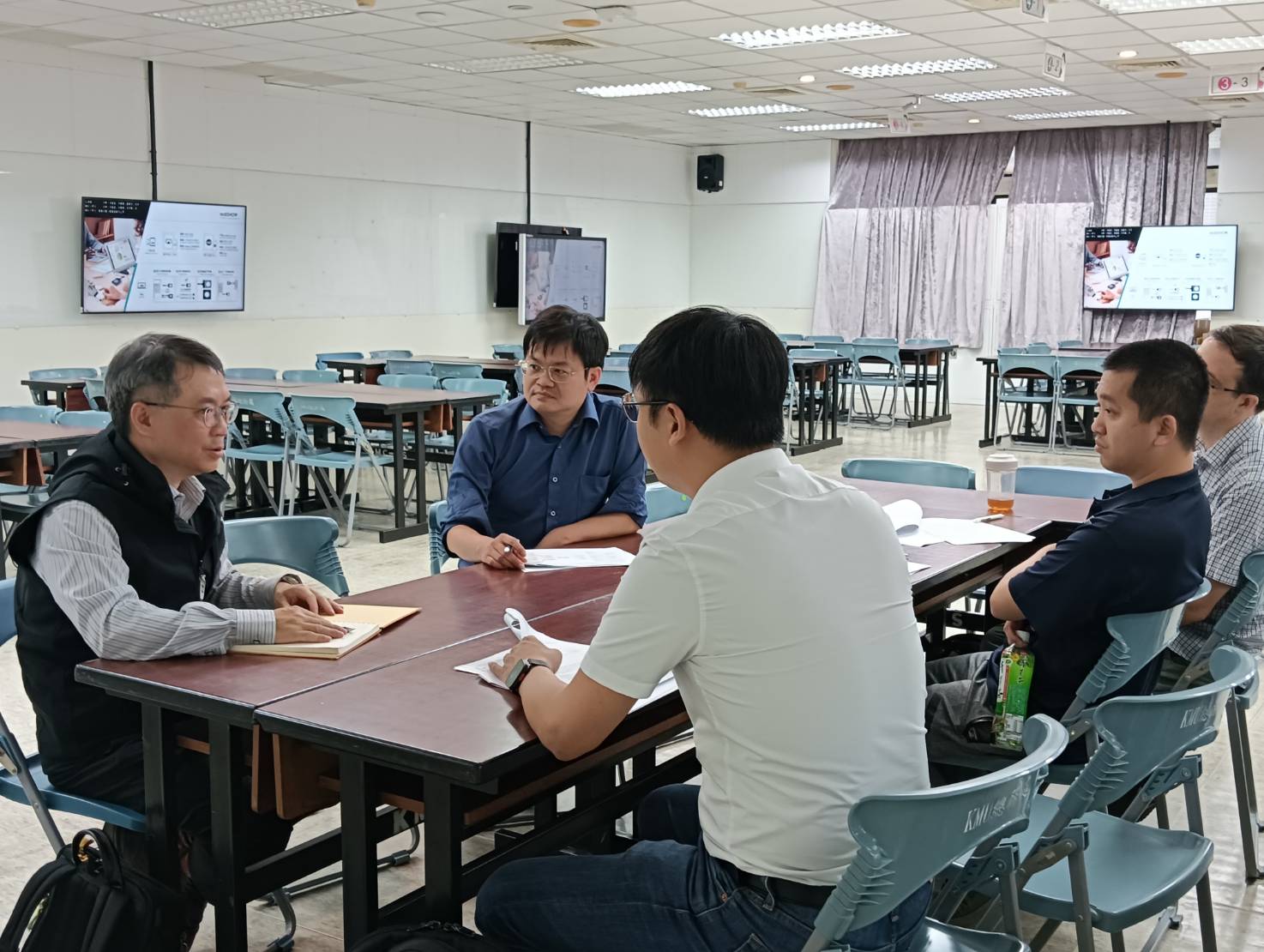
Figure 2: Discussion |
|
 |
 |
|
|
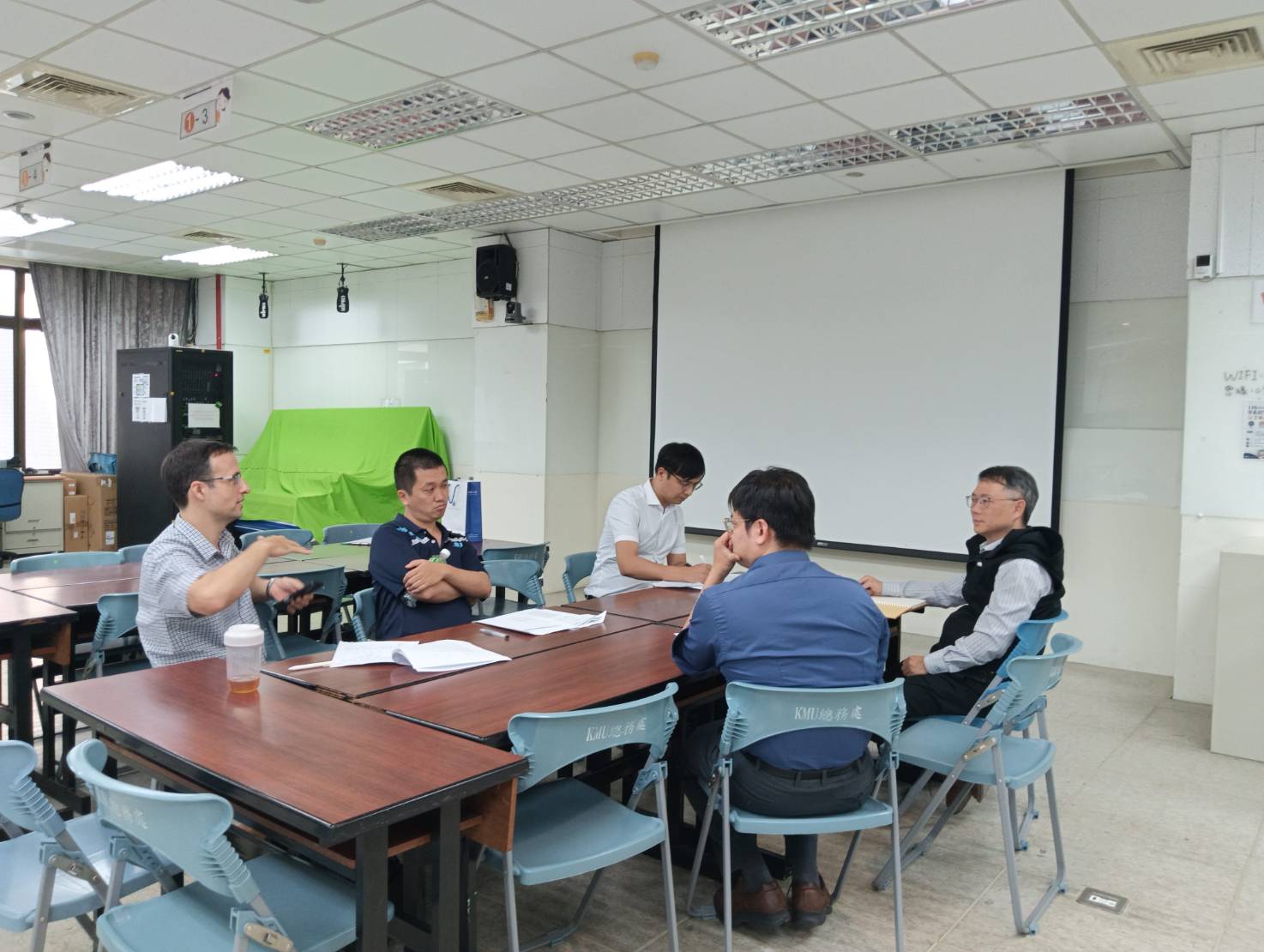
Figure 3: Discussion |
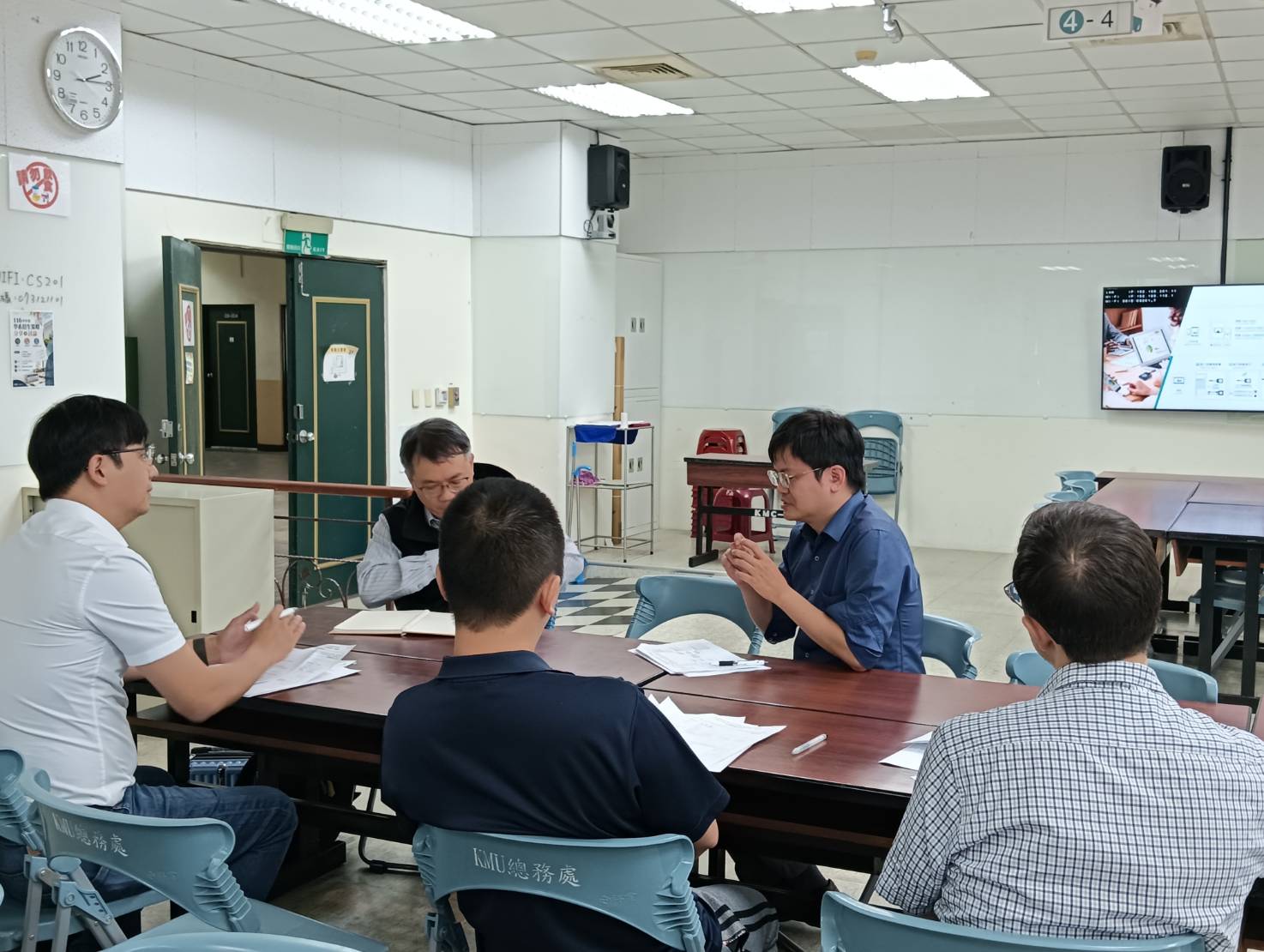
Figure 4: Discussion |
|
 |
 |
|